History walk: stop 6
Following the Traces Today
By now you’ve seen how animal paths became traces, how traces became roads, and how roads helped create towns like Harrodsburg. That pattern didn’t stop in the 1700s. Across Kentucky, you can still see places where old routes shaped where people live, work, and gather today.
Over time, the same traces and frontier roads that once carried hunters and pioneers helped determine where communities and businesses would form. Settlements located near reliable routes and good land, such as Harrodsburg, developed into county seats and trading centers that served the surrounding countryside. Places along rivers and crossings, including areas like Harrods Creek near Louisville, became landings, ferry sites, and eventually neighborhoods connected to larger cities.
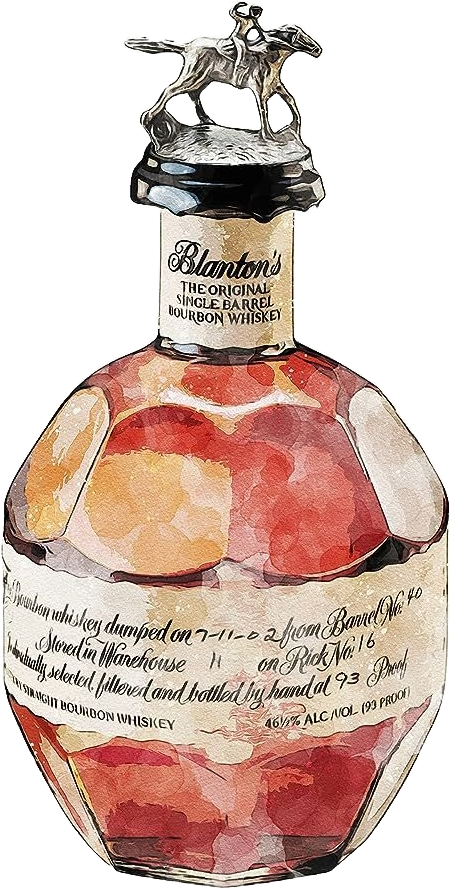
Buffalo Trace Distillery in Frankfort offers a well‑known example of how an early path influenced later development. The distillery stands near a location where bison once crossed the Kentucky River, and it takes its name from that “buffalo trace.” The site has been used for whiskey production since the late 1700s and is often described as one of the oldest continuously operating distilleries in the United States.
From this house on Harrods Old Trace, you can follow that story outward if you choose—visiting Harrodsburg, Harrods Creek, or Buffalo Trace Distillery—or simply enjoy knowing that your stay sits on one small bend of a much longer line, shaped over centuries by hooves, footsteps, wagon wheels, and now your own travels.